
Sprint snacks: 3 × 20-second all-out cycling bouts, separated by 1–4 hours of rest; 18 training sessions over 6 weeks.
Exercise Snacks
Sprint Exercise Snacks and Aerobic Fitness
In healthy, inactive young adults, six weeks of repeated all-out cycling sprints improved cardiorespiratory fitness and time-trial performance similarly whether sprints were spread across the day or completed in one session.
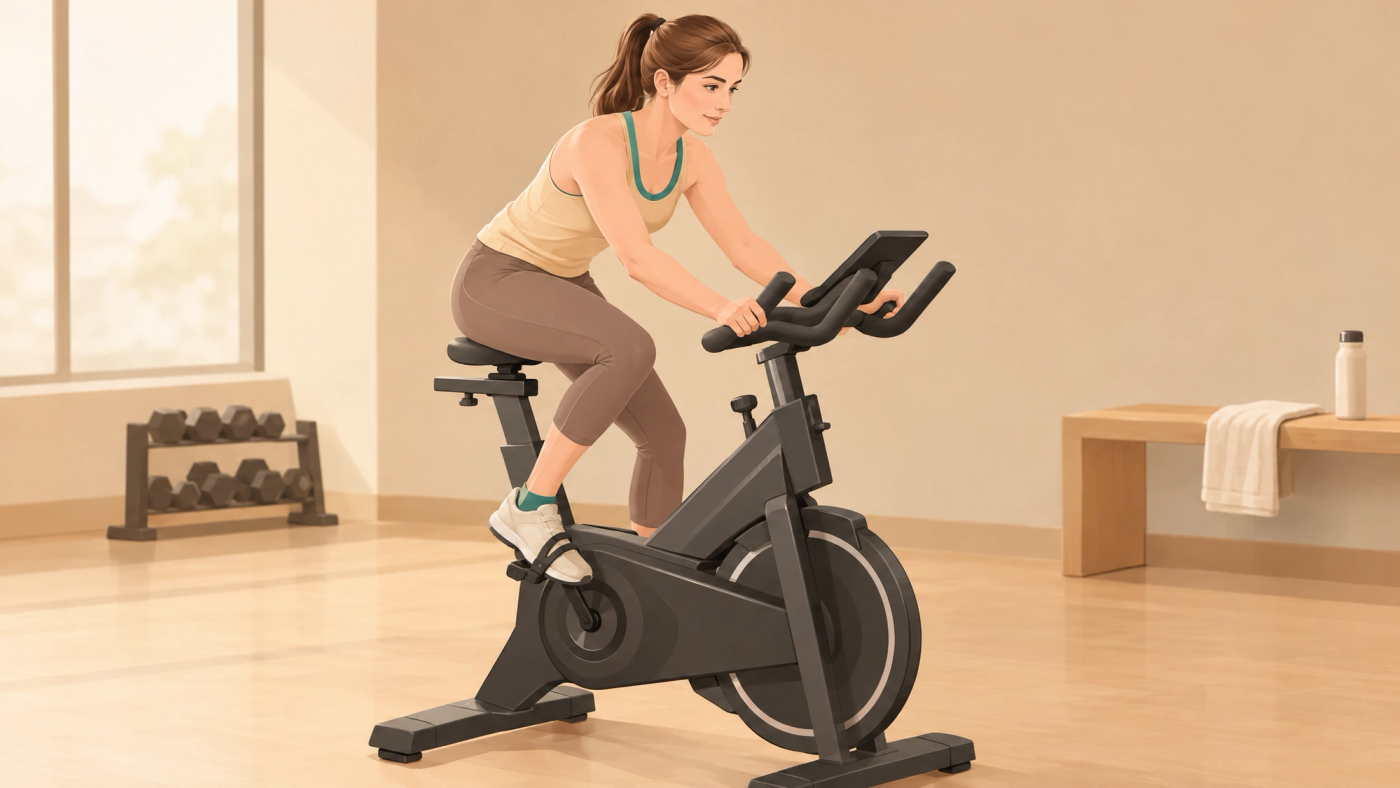
Study overview
- Study title
- Sprint exercise snacks: a novel approach to increase aerobic fitness.
- Study authors
- Jonathan P Little, Jodi Langley, Michael Lee, Etienne Myette-Côté, Garett Jackson, Cody Durrer, Martin J Gibala, Mary E Jung
- Population
- Healthy, young, inactive adults averaging about 22 years old; 14 females among the 28 participants
- Sample size
- 12
- Duration
- 6 weeks; 18 training sessions
- Comparator
- Traditional sprint interval training: 3 × 20-second bouts with 3-minute rest within a 10-minute session
- Outcomes
- Cardiorespiratory fitness (VO2peak), 150 kJ cycling time-trial performance, Exercise enjoyment
Intervention
Main findings
VO2peak increased by about 4% with sprint snacks and 6% with traditional sprint interval training. Cycling time-trial performance improved by about 9% and 13%, respectively; between-group differences were not significant for either outcome.
What this may mean in practice
Snacksmate's reading of the evidence — not a quotation from the original paper.
In this small study of healthy, inactive young adults, spreading three all-out cycling sprints across the day improved fitness and time-trial performance similarly to completing them in one session. The study did not establish that either approach was superior.
Original study
What can you take from this?
The notes above are Snacksmate’s reading of this study, not personal advice.