
Structured exercise bouts lasting ≤5 minutes, performed at least twice daily and ≥3 times/week; intensity ranged from moderate-to-vigorous to near-maximal.
Exercise Snacks
Exercise Snacks and Fitness: Systematic Review
This review pooled 11 trials of brief exercise bouts in physically inactive adults and older adults. Exercise snacks improved cardiorespiratory fitness and older adults’ muscular endurance, but not several cardiometabolic measures.
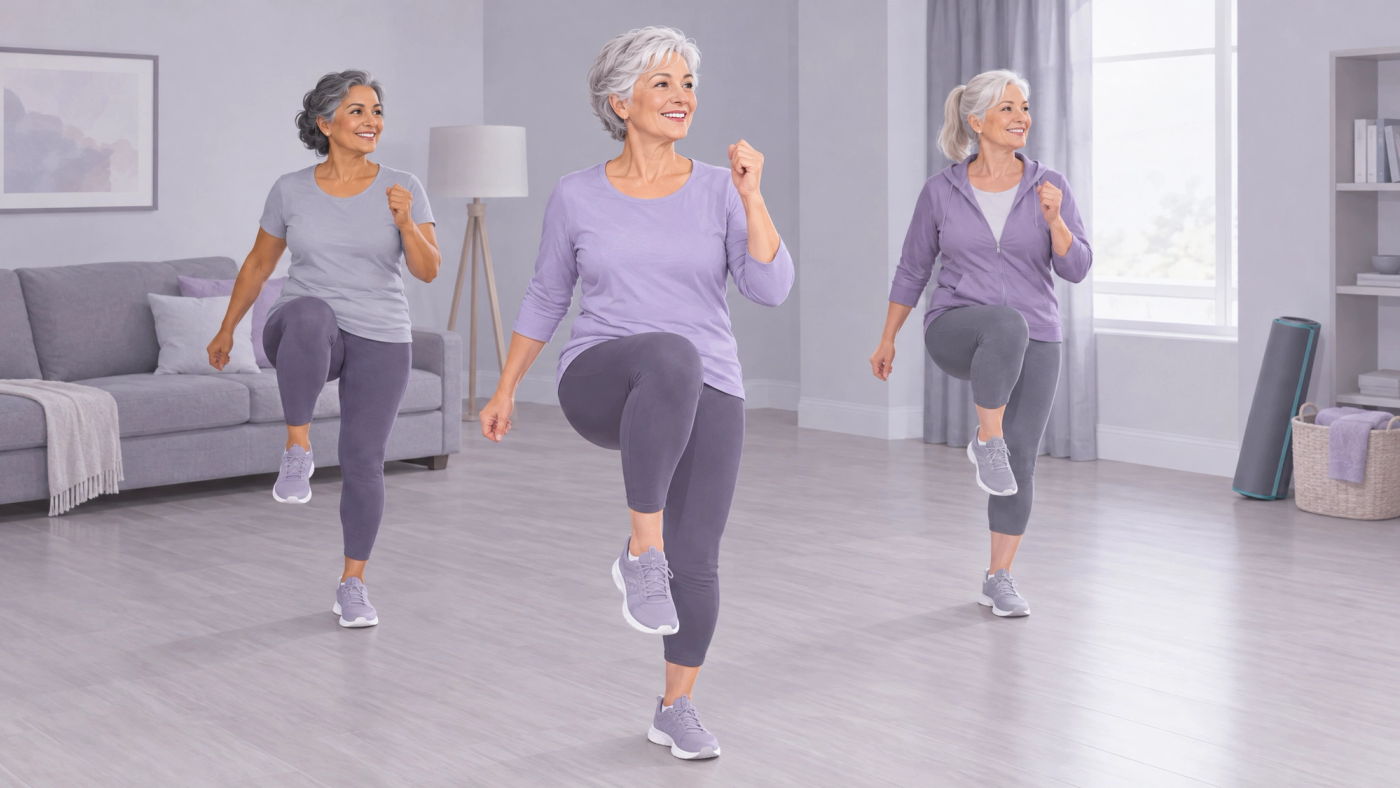
Study overview
- Study title
- Effect of exercise snacks on fitness and cardiometabolic health in physically inactive individuals: systematic review and meta-analysis.
- Study authors
- Miguel Ángel Rodríguez, Marcos Quintana-Cepedal, Boris Cheval, Cecilie Thøgersen-Ntoumani, Irene Crespo, Hugo Olmedillas
- Population
- Physically inactive adults and older adults aged ≥65 years; 69.1% women, mean ages 18.7 to 74.2 years
- Duration
- Interventions lasted 4–12 weeks; eligibility required at least 2 weeks.
- Comparator
- Non-exercising controls
- Outcomes
- Cardiorespiratory fitness, Muscular endurance, Lower-limb muscular strength, Body composition, Blood pressure, Blood lipid profiles
Intervention
Main findings
Across 11 RCTs involving 414 participants, exercise snacks significantly improved cardiorespiratory fitness in adults and muscular endurance in older adults. No significant effects were observed for lower-limb strength or cardiometabolic outcomes such as body composition, blood pressure, and blood lipids. Compliance and adherence were high.
What this may mean in practice
Snacksmate's reading of the evidence — not a quotation from the original paper.
The review supports exercise snacks for improving cardiorespiratory fitness in physically inactive adults. Evidence for muscular endurance in older adults is limited, and the findings do not establish benefits for other cardiometabolic markers.
Original study
What can you take from this?
The notes above are Snacksmate’s reading of this study, not personal advice.